

Table of Contents
Exosome serum luxury is reshaping the premium skincare landscape with science-backed, clinic-grade results that go beyond what traditional anti-aging serums can deliver. If you’re a clinic buyer, an advanced aesthetics director, or a savvy luxury skincare shopper searching for truly regenerative results, understanding how exosome serums really perform—and how to critically compare them—is essential.
Key Takeaways
- Luxury exosome serums deliver up to 7-fold greater wrinkle reduction and 17-fold pigmentation improvement after eight weeks compared to top-tier traditional actives.
- Not all clinical exosome skincare brands are equal—product source, vesicle count, preservation, and actual clinical validation vary widely across the market.
- Buyers should verify source transparency, clinical results, product stability, and quality control before investing in any exosome serum luxury offering.
- Why exosome serums are a distinct luxury category
- How exosomes work biologically — why the vesicle matters
- The clinical evidence and common pitfalls
- Conclusion
- FAQs
Why exosome serums are a distinct luxury category
Exosome serum luxury offerings have created a new high-performance skincare segment by combining advanced extracellular vesicle science with precision luxury formulation controls. Unlike traditional serums anchored solely in ingredients like isolated peptides, retinoids, or Hyaluronic Acid, exosome serums harness biologically active, nanoscale vesicles that deliver a diverse, stable payload of growth factors, cytokines, and regulatory molecules directly to the skin’s target layers. This enables them to activate multiple cellular regeneration pathways simultaneously—instead of relying on a single mechanism, which often limits results and longevity in classic luxury anti-aging regimens.
Clinical studies have shown these elite exosome serums can deliver markedly greater regenerative outcomes than traditional anti-aging regimens, achieving up to 7-fold greater wrinkle reduction and up to 17-fold improvement in pigmentation after eight weeks.
(Source: labelleviemed.com)
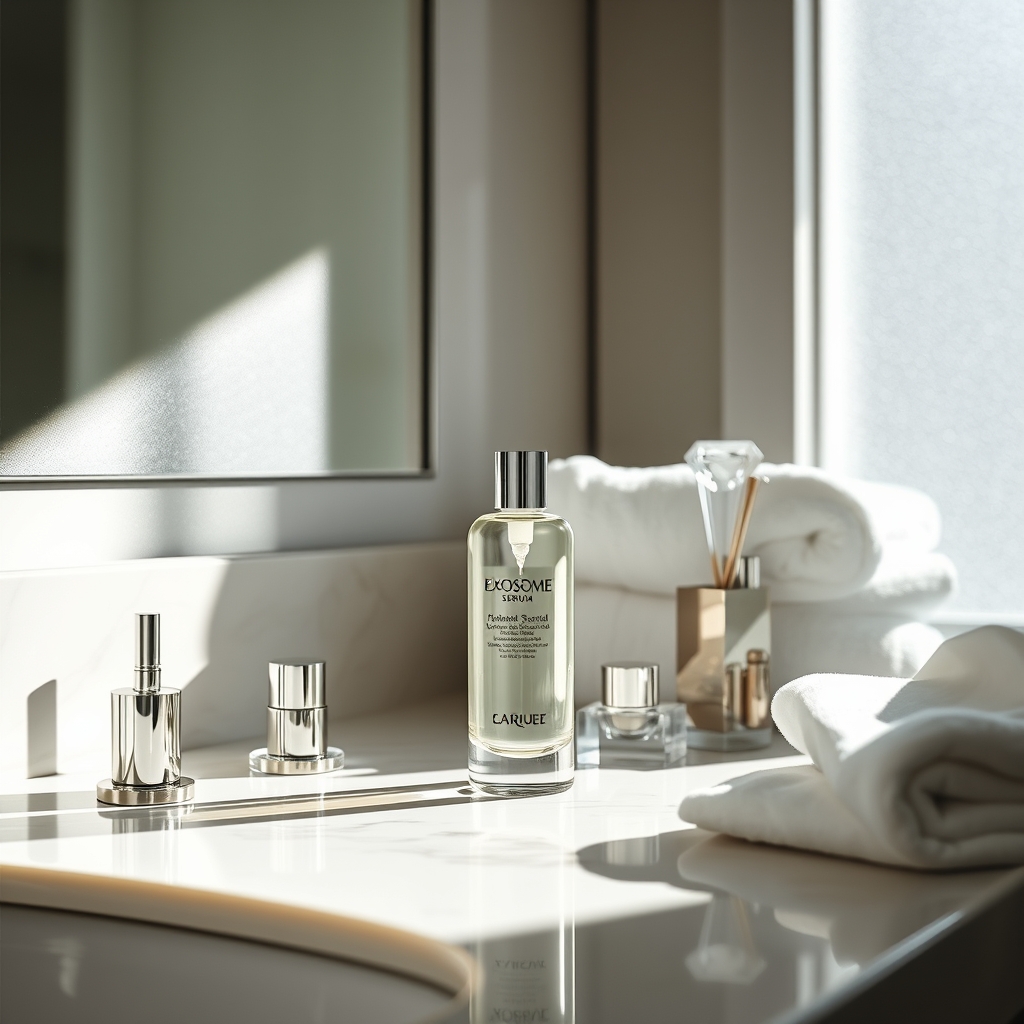
Expectations should be set high but realistic: these are potent, biotech-driven formulas, manufactured under medical-grade conditions, and are priced accordingly. Clinical outcomes, tolerability, and potential risks all depend on the quality of exosome sourcing, stabilization, and evidence for the specific serum in question. This calls for a more scientific, discerning buying approach—especially for clinics and luxury consumers demanding real data, not just brand storytelling.
How exosomes work biologically — why the vesicle matters
To understand how a biotech cell renewal serum with exosomes outperforms classic actives, look at the exosome itself. Exosomes are nanoscale extracellular vesicles, typically 30–150 nanometers across. They are secreted by stem cells and serve as intelligent messengers—carrying a “broad payload of VEGF, TGF‑β, interleukins and micro‑RNAs.”
(Source: salisburyps.com)
When topically applied in optimized medical grade anti aging exosome serums, these vesicles fuse with skin’s cellular membranes, releasing their cargo and activating:
- Collagen and elastin production (via TGF-β)
- Angiogenesis and nutrient delivery (via VEGF)
- Inflammation modulation and immune balancing (via interleukins, miRNAs)
- Barrier repair and skin cell renewal (various signaling molecules)
This is fundamentally more holistic and powerful than applying a single isolated peptide or a retinoid. The beauty of exosomes lies in their multi-pathway stimulation and in their inherent ability to support hydration, pigment correction, and texture improvement all at once.
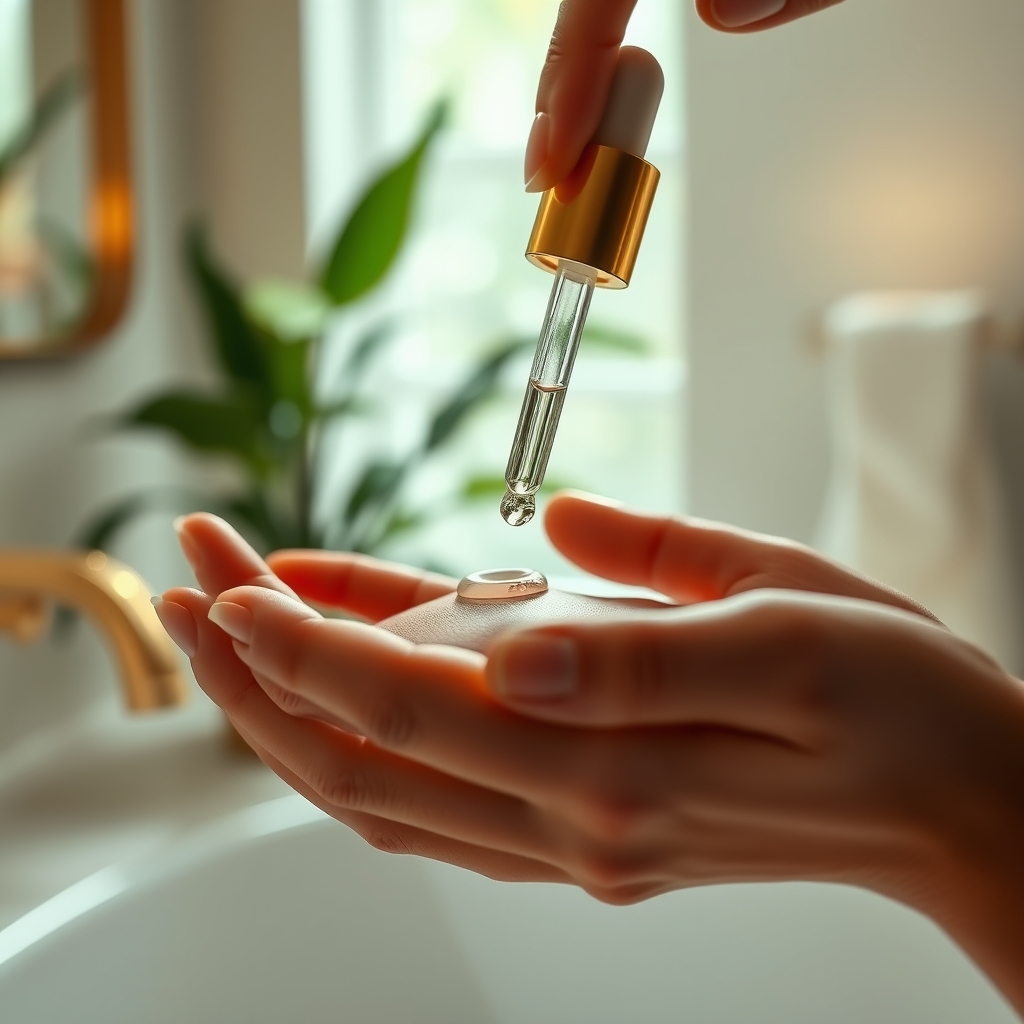
Clinical trial spotlights: In split-face and controlled outcome studies, exosome serums have boosted collagen gene expression by roughly 300%, and users see meaningful changes in wrinkles, pigmentation, elasticity, and dry skin—all usually within 4–8 weeks.
(Source: PMC11745280)
The clinical evidence and common pitfalls
Comparing clinical exosome skincare brands is not straightforward—nor are all serums on the “Exosome serum luxury” shelf created equal. Here’s what to scrutinize and avoid, including findings from peer-reviewed head-to-head studies versus traditionals:
What the best studies show
- Wrinkle reduction: up to 7-fold improvement over top retinoid or peptide-only controls (12.4% vs. 6.6% in trials).
- Pigmentation: Up to 17-fold improvement, with “a significant decrease in melanin levels after eight weeks” (measured by Mexameter® and clinical assessments).
- Elasticity: 11.3% improvement vs. worsening in controls; hydration and texture also markedly improved.
(See source and clinical trial data.)
Formulation distinctions—and why most “fail” to deliver
The backbone of any high-performance biotech cell renewal serum is the exosome source and the preservation method. Human ADSC-derived and platelet-derived exosomes, stabilized using advanced cryopreservation and lipid encapsulation methods, are most potent. Many “plant-derived” or synthetic exosome serums contain only growth factor mimics or fragmented vesicles, leading to disappointing results in both clinic and consumer settings.
| Feature | What Top Brands Claim | What You Must Verify |
|---|---|---|
| Exosome Source | Human ADSC or Platelet Derived | Is the source and harvest method disclosed? |
| Vesicle Count/Concentration | “1 Trillion Particles/Bottle” | Quantified count, batch-tested, GMP/ISO or third-party certified |
| Adjunct Actives | Hyaluronic Acid, Peptides, Antioxidants | Synergy with vesicles—not just filler |
| Stabilization & Storage | “Stabilized”, “Advanced Lipid Encapsulation” | True cold chain? Shelf-life? Opened product stability? |
| Clinical Evidence | “Clinically Proven”, “Dermatologist Recommended” | Is there a peer-reviewed, controlled trial? Real endpoint numbers? |
Common pitfalls and real user issues
- Non-efficacious “exosome” products: Most negative real-world reviews stem from plant-derived or “non-active” exosomes with insufficient particle counts—users report little or no improvement.
- Irritation and sensitivity: Rare, but can occur when formulations lack proper stabilizers or contain excessive adjunct actives—look for premium exosome facial oil or serum with tolerability data.
- Mismatch between marketing and reality: Many products highlight “exosomes” but lack third-party, published evidence or independent testing.
- High price without QC proof: Quality manufacturing for regenerative luxury skincare is costly, but price should match verifiable clinical results and safety controls—not just brand hype.
As a further risk mitigator, always confirm the medical grade anti aging exosome product carries clear GMP/ISO or third-party batch testing certification. According to industry reviews, “not all exosome-containing products will be worth the expensive price.”
(Source: skintypesolutions.com)

Conclusion
Exosome serum luxury products represent a new clinical standard for anti-aging, combining advanced biotech with rigorous formulation quality for results that clearly outpace traditional retinoids, peptides, or even growth-factor-only luxury lines. However, only those clinical exosome skincare brands that provide source transparency, vesicle quantification, proven clinical data, and preservation integrity justify the investment. Expect visible benefits within six weeks and significant melanin reduction after eight weeks—but always vet claims, storage requirements, and QC credentials before committing your clinic shelf or personal routine.
If you value real skin transformation, evidence-based buying, and want the most out of your Exosome serum luxury investment, use a scientific checklist—don’t just trust the label. Take the next step by applying these criteria the next time you shop for premium regenerative luxury skincare or compare offerings at your clinic—advanced cell science deserves an advanced buyer.
FAQs
How do I verify if an exosome serum is truly “clinical grade”?
Ask for proof of human cell-source exosomes (adipose or platelet-derived), explicit vesicle counts, peer-reviewed clinical results (published or available for inspection), and third-party QC certification (GMP or ISO).
What side effects are most common with premium exosome facial oil or serum?
Most people experience only mild, transient reactions, such as brief redness or tingling, which resolve within 24-48 hours. Serious adverse events are rare in quality-controlled, medical grade anti aging exosome serums.
Are plant-derived or synthetic exosomes effective?
Consumer studies and clinic reports show these are often less effective than human-derived exosomes for anti-aging. Many lack vesicular carriers or adequate clinical backing.
How soon can I expect visible results from an exosome serum luxury regimen?
Clinical studies and brand trials commonly report noticeable skin improvements—like improved elasticity, hydration, and pigmentation—within 4-8 weeks of consistent use.
What questions should clinics ask when comparing brands?
Request published clinical trial data, confirm the exosome source and quantification, review preservation and stability protocols, and look for clinician or peer endorsements.
—